
Written by Sumaya Gure
June 21, 2026
What is the Bill?
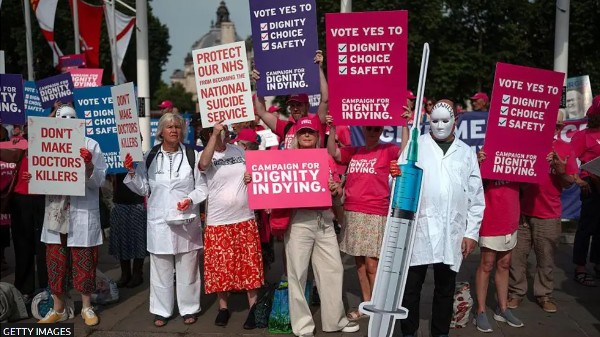
The Terminal Ill Adults Bill or End-of-Life Bill, is a proposed legislation aiming to allow adults with terminal illnesses to seek medical assistance to end their lives, subject to safeguards and protections. The bill was presented to Parliament on October 16th, 2024, by Kim Leadbeater, a Labour MP, after having drawn highest in the Private Members’ Bill Ballot.
What Does the Bill Intend to Do?
If passed, the bill will allow people over the age of 18, with 6-month terminal illnesses or less, to undergo assisted suicide, subject to certain safeguards. If passed, the bill would establish the definition of the term ‘assisted dying’ alongside the requirements determining eligibility. The Bill defines what a terminal illness is and indicates the kind of mental capacity a person must have based on the Mental Capacity Act 2005. It also establishes: a Voluntary Assisted Dying Commissioner to review documents under this Bill, make appointments to sit on the Assisted Dying Review Panels, oversee operations under this Bill, and determine applications for reconsideration of panel decisions.
What Stage is the Bill at?
The Bill failed to pass on April 24th, 2025, yet on June 20th, 2025, 314 MPs backed the bill, with 291 voting against it. Many at the time had compared the bill to historical votes such as the Abortion Act, the legalisation of homosexuality and the legalisation of gay marriage. The Bill’s time to be passed has run out in the House of Lords, whilst at committee stage. Consequently, there has been insufficient time to debate or vote on all the suggested changes, with hundreds of amendments being put forward. There are attempts to reintroduce the Bill into Parliament, led by MP Lauren Edwards.
What Does this Mean?
Despite the Bill failing to pass, the results of the votes in the House of Commons signify that change is possible. The MPs were not instructed to vote along party lines but were able to exercise their individual choice in a debate surrounded by scrutiny, particularly over possible loopholes regarding coercion. Although the bill was initially rejected, its reintroduction means that a spotlight is being shone on how to create any assisted dying legislation with effective safeguards in place, considering international evidence from a range of countries that already have assisted dying legislation in place.
What Does it Mean if This Bill is Passed?
The passing of this bill will essentially change the issues faced by mentally competent, terminally ill adults, seeking the right to a safe and lawful assisted death. It will allow them to exercise autonomy over ending their prolonged suffering. Furthermore, the passing of the Bill would lead to the development of different approaches to cases involving euthanasia, preventing family members or carers from experiencing legal risks if they assist a terminally ill person with euthanasia.
Conclusion
The passing of this bill would ensure that patients have mental capacity and are protected against coercion. Ultimately, the law would establish a formal process to avoid legal uncertainty and provide judges with adequate guidance.