Introduction
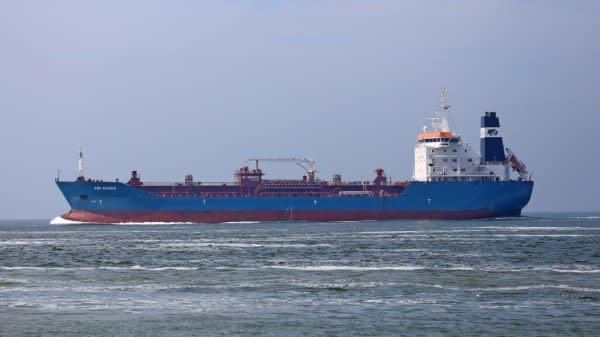
Western governments are increasing enforcement of sanctions on Russian oil exports, including stopping or inspecting tankers suspected of breaching restrictions linked to the war in Ukraine. Russia claims these actions violate international law, while Western states argue they are lawful enforcement measures. The dispute raises a fundamental question: when can a state legally detain a foreign vessel at sea?
Freedom of the Seas
Modern maritime law is based on the United Nations Convention on the Law of the Sea (UNCLOS); it established freedom of navigation as the main principle. On the high seas, vessels are generally subject to the exclusive jurisdiction of the state whose flag they fly. As a result, only the flag state may board or detain a ship.
UNCLOS has limited exceptions. Vessels may be intercepted on suspicion of piracy or slavery, if they are stateless, or within territorial waters, where coastal states exercise wider enforcement powers. Outside these situations, interference is difficult to justify. Sanctions enforcement is not expressly listed as an exception, creating legal uncertainty when states attempt to stop oil tankers in international waters.
Sanctions and Countermeasures
The UK, U.S. and EU, have imposed extensive sanctions targeting Russia’s oil trade, including export bans, price caps, and restrictions on shipping and insurance. These measures are presented as responses to serious violations of international law.
Under the law of state responsibility, states may take countermeasures against another state that has committed an internationally wrongful act, provided those measures are proportionate and intended to induce compliance. The key legal issue is whether physically stopping a tanker on the high seas qualifies as a lawful countermeasure or instead constitutes unlawful interference with freedom of navigation. Western governments argue that vessel detention is a necessary enforcement tool, while Russia maintains that it breaches maritime law. This dispute could be referred to the International Tribunal for the Law of the Sea.
The Business Case: Why Tankers Matter
Oil exports remain central to Russia’s economy, making maritime transport a primary target of sanctions policy. Restricting shipping and insurance seeks to reduce revenue without direct military action.
For the shipping industry, however, enforcement at sea creates significant commercial risk. Legal uncertainty raises insurance premiums and freight costs, and companies must assess whether carrying Russian‑linked cargo, exposes them to detention or penalties. London’s role as a global centre for maritime insurance and arbitration means these disputes are already influencing contract drafting and litigation.
Legal Team Involvement
Multiple legal disciplines are involved.
- Trade lawyers advise on sanctions compliance
- Commercial lawyers allocate detention risk through contracts and insurance terms.
- Public international law specialists assess compatibility with UNCLOS.
- Dispute resolution teams prepare for arbitration or court proceedings if cargo is seized.
- Government lawyers ensure that domestic enforcement measures are legally authorised.
Future Outlook
The immediate question is whether maritime enforcement actions will increase and whether Russia will formally challenge them before an international court. Any resulting decisions could clarify whether sanctions enforcement fits within existing maritime law, or stretches its limits.
More broadly, economic sanctions are placing growing pressure on legal frameworks designed to promote stability at sea. If states adopt divergent interpretations of maritime law, the risk of fragmentation increases. For businesses, maritime trade can no longer be treated as separate from geopolitics. Legal compliance is now a strategic issue.