
Introduction
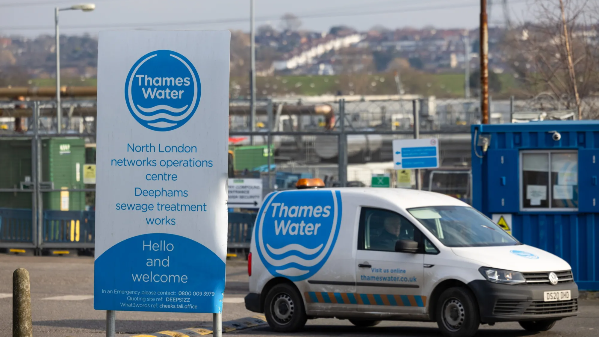
Thames Water, Britain's largest water provider, continues to face significant financial and political pressure as concerns about its long-term viability grow. The company, which serves over 16 million people, has faced mounting debt, regulatory scrutiny, and criticism for sewage spills.
With concerns over infrastructure investment, privatisation, and whether key public services should continue to be delivered by the private sector, this has become one of the UK's most important political stories.
How Did Thames Water Get Here?
Thames Water's debt has grown to almost £20 billion. Some analysts have raised concerns that the company's debt is now close to, or exceeds, the value investors place on the business itself. This can make it harder for a company to raise new funding, as investors may worry about whether existing debts can be repaid. Critics argue that Thames Water relied heavily on borrowing over many years while failing to invest enough in infrastructure upgrades. This has led to concerns that the company now faces the challenge of maintaining its network while managing a substantial debt burden.
Politicians and authorities have questioned whether management and shareholders prioritised short-term earnings above long-term investment. Although the organisation insists it is striving to manage its finances and improve performance, concerns remain about its ability to fund necessary upgrades.
Why Does It Matter?
Water is a critical public service. If Thames Water runs into major financial issues, the government may have to step in to ensure customers continue to receive service. This could include placing the company into a Special Administration Regime. A Special Administration Regime is a legal process used for companies providing essential public services. It allows a company to continue operating while administrators reorganise its finances and seek a long-term solution, helping ensure customers do not lose access to critical services.
The crisis has also ignited a broader political debate about privatising public utilities. Supporters argue that private ownership remains the most effective way to attract capital, while sceptics maintain that the current model has not attracted sufficient investment. The future of the water industry is becoming a more controversial political issue as the general election cycle approaches.
How Legal Teams Get Involved
If Thames Water seeks to reduce or renegotiate its debt, restructuring lawyers may help negotiate with lenders and creditors.
Regulatory lawyers may advise on compliance issues involving Ofwat, the regulator responsible for overseeing water companies in England and Wales, and environmental authorities, while other legal teams may be involved in shareholder disputes or enforcement actions.
Future Outlook
The future of Thames Water remains uncertain. Although political pressure for reform is unlikely to subside, additional investment might help stabilise the corporation.
The key question facing Thames Water is whether it can attract enough investment to upgrade its infrastructure while managing its existing debt. If private investors are unwilling to provide additional funding, pressure may grow for greater government involvement. The outcome could shape future debates about how essential public services should be funded and operated across the UK.
Regardless of the resolution, the crisis has revived a fundamental question: should critical infrastructure be operated for financial gain, or will a different approach be required in the future?