
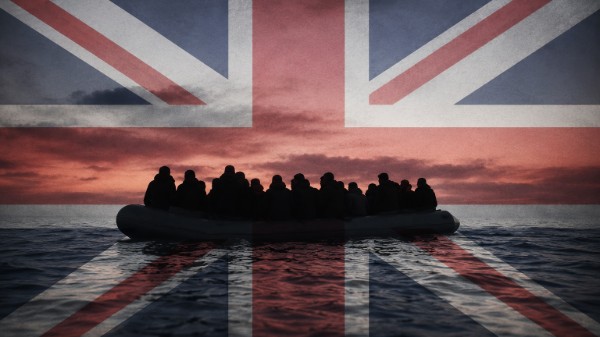
Issue
What is the legal process for claiming asylum after someone arrives in the UK on a small boat, and how do delays (backlogs) in the system affect them?
Short Answer
Asylum seekers entering by small boats must formally claim asylum and enter a multi-stage process to prove their case to the Home Office. This process is rigorous and has led to backlogs in the system which create poorer long-term outcomes for asylum seekers and put pressure on immigration lawyers and the tribunal system.
Introduction
Small boat crossings remain one of the most contentious issues in UK immigration policy. While public attention tends to focus on border security, less attention is paid to what happens once individuals arrive in the UK. This article outlines the legal process after arrival and the impact of asylum backlogs on applicants and practitioners.
Legal Process After Arrival
Arriving by small boat does not guarantee asylum. When someone arrives by small boat, they must tell UK Border Force (the agency at the borders) that they want to claim asylum to begin the legal process. Next, they have an initial screening interview with the Home Office (the government department responsible for immigration). An official checks if the person’s story meets the criteria for an asylum claim. If it does, the Home Office registers the claim. The asylum seeker is then usually provided with housing and a small weekly allowance while awaiting the next steps in their case.
The next step is the substantive asylum interview, where the individual provides further details about their circumstances and claim. Before the interview, immigration lawyers and caseworkers help asylum seekers prepare supporting documents and evidence. To gain refugee status, an asylum seeker must show a genuine or well-founded fear of persecution (serious harm or threats) in their country. The Home Office then makes its decision.
If the claim is refused, many applicants can appeal to the First-tier Tribunal (Immigration and Asylum Chamber), which hears most immigration and asylum appeals. Lawyers can help applicants challenge the decision and ensure the process was fair.
Backlogs and Effects
This multi-stage process helps ensure genuine refugees are recognised, but it is lengthy. As of late 2025, around 49,000 initial asylum claims were awaiting a decision, with nearly 80,000 appeals pending.
Long waiting times can have serious consequences. Reports from the Centre on Migration Policy and Society suggest they lead to worse long-term employment outcomes and contribute to mental health problems. The United Nations High Commissioner for Refugees (UNHCR) has also reported that delays make it harder to remove people whose claims are refused, as they have more time to form families and other ties in the UK.
For immigration practitioners, delays are more than an administrative issue. Ongoing communications and the need for additional evidence as circumstances change increase pressure on lawyers and the tribunal system. The Law Society has warned that lengthy asylum cases are expensive to handle under legal aid, making some lawyers less willing to take them on. This can make legal advice and representation harder to access.
Future Outlook
The backlog grows when new claims outpace decisions. Reducing it therefore requires both fewer new arrivals and faster processing. By the end of 2025, efforts had reduced the backlog to its lowest level in five years. Continuing both border enforcement and efficient decision-making could further reduce delays and ease pressure on asylum seekers and the legal system.