
Introduction
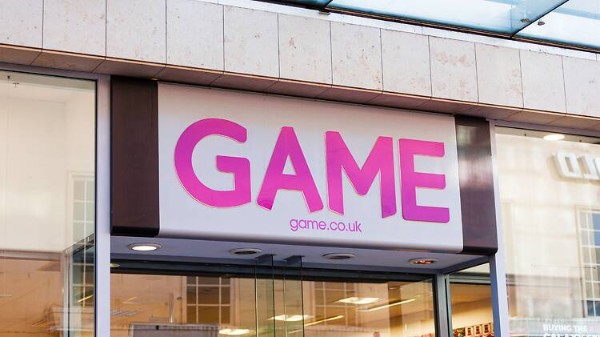
You know GAME. It’s where you went to buy the latest release, trade in an old title, or grab the controller cable your console suddenly needed. For many who grew up gaming in the UK, GAME was part of the gaming experience. In 2026, however, it is currently going through administration, which gives struggling businesses a chance to either save themselves, sell the company or its assets, while giving creditors as much money as possible.
Why GAME Struggled
The short answer is digital downloads. Consoles now let you buy and store games online, so fewer people need to actually visit a shop.
GAME was already shrinking for years. It closed its Basingstoke head office in 2024, moved staff onto zero-hour contracts and scrapped trade-ins and pre-orders. Add in competition from rivals like CeX and a rough climate for the high street, and there wasn’t much room left to recover.
Think Like a Law Firm
Imagine you are advising Frasers Group, the owner of GAME, as the business faces financial distress.
Before GAME formally entered administration, the company worked with law firm RPC on its notice of intention to appoint administrators.
For restructuring and insolvency lawyers, this is the type of work that happens behind the scenes when a business begins facing financial pressure: advising clients on their options, protecting value and preparing for potential restructuring.
1. What is the client's objective?
Frasers Group's objective would not be to return GAME to the high street model that made it famous. The focus would be on preserving value, whether through restructuring the business, finding a buyer, selling assets or creating a new strategy for the brand.
2. What challenges need to be addressed?
GAME faces legal and commercial challenges such as:
- Determine which parts of the business hold value (e.g. the brand, intellectual property, supplier agreements etc.)
- Consider creditor claims
- Consider employee obligations
- Determine which parts of the business can continue operating
A situation like this would require support from several legal teams.
- Restructuring and Insolvency: Advises on the administration process, creditor claims and whether the business can be rescued, sold or restructured.
- Corporate and M&A: Supports potential buyers or investors interested in acquiring parts of the business or investing in a new strategy.
- Commercial: Reviews supplier agreements, publisher relationships and concession arrangements that allow parts of the business to continue operating.
- Intellectual Property: Protects the GAME brand, trademarks and licensing arrangements that may represent some of the company's most valuable assets.
- Employment: Advises on redundancies, employee rights and changes affecting staff.
3. What does success look like?
For GAME, success may not mean returning to hundreds of high street stores. The opportunity could be finding a new role within gaming culture itself.
One possible strategy would be transforming GAME into a gaming destination. By working with game studios, publishers and esports organisations, the brand could host game launches, tournaments and community events, creating spaces where casual players and competitive gamers can engage with each other. This model has shown promise in South Korea and Japan, and GAME could follow in the footsteps of SideQuest (a famous Asian gaming café that has expanded into the UK).
For investors and commercial lawyers, this is the key question in a distressed business: not just what has been lost, but what can be rebuilt.