
Introduction
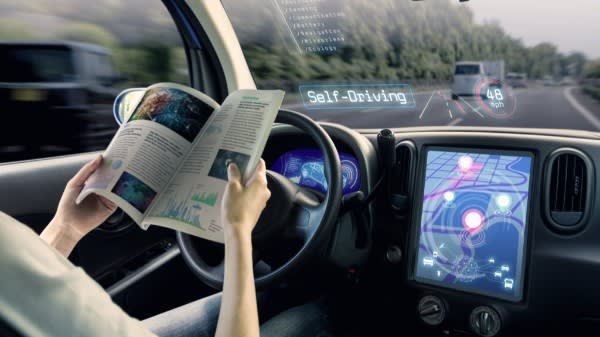
Waymo is preparing to launch its driverless taxi service in London, marking a pivotal moment in the UK’s autonomous vehicle ambitions. With a commercial rollout targeted for late 2026 following April trials, this deployment represents one of the first large-scale robotaxi operations in Europe.
The timing is no coincidence. It aligns with the UK’s new regulatory regime under the Automated Vehicles Act 2024, which establishes a formal authorisation process to determine whether a vehicle can safely drive itself without being controlled or monitored by a human. This is not merely a transport innovation; it represents a substantial change in both legal risk and economic opportunity.
The Commercial Case: Growth and Safety
The UK government has framed autonomous vehicles (AVs) as a strategic growth pillar, projecting the sector could contribute £42 billion to the economy and generate 38,000 skilled jobs by 2035. Waymo’s expansion into the UK market highlights the strength of the nation's legal framework, solidifying its status as a premier destination for autonomous vehicle investment
Safety is the primary driver behind this reform. With human error accounting for over 80% of road collisions, the 2024 Act requires self-driving systems to perform at a level equivalent to or higher than a careful human driver. In the long run, insurers can expect a more stable market with fewer accidents.
However, the immediate future is complicated. As robots and humans start sharing the road, the old rules for insurance rates and liability simply won't apply anymore, making the transition period a major challenge for the industry.
The Liability Shift
The most significant commercial transformation lies in the shift in liability. Under the 2024 Act, when a vehicle is in self-driving mode, the person in the seat becomes a "User-in-Charge". They are largely immune from prosecution for driving offences like speeding. Instead, responsibility transfers to the Authorised Self-Driving Entity (ASDE), which is typically the manufacturer or operator.
This marks a total departure from traditional motor law. Risk is moving away from individual behaviour and toward product liability and software compliance. The first major UK claim under this Act will be a landmark event, determining how investors and insurers price the algorithmic risk of an autonomous fleet.
How Legal Teams Are Getting Involved.
Insurance and Personal Injury: Under the 2024 AV Act, liability moves from the driver to the Authorised Self-Driving Entity (ASDE). Lawyers will spend their time analysing sensor data to prove whether the human or the AI was in control during a crash.
Product Liability and Commercial Litigation: Legal teams are likely to handle defect claims, software failure disputes and recovery actions between insurers and manufacturers.
Regulatory and Public Law Specialists: These specialists handle the "licence to operate". They navigate the Department for Transport authorisation process, ensuring fleets meet safety standards and comply with the Act’s strict ongoing reporting mandates.
Data Protection and Cybersecurity: Autonomous cars are rolling data hubs. Teams must manage the GDPR risks of street-level surveillance while shielding operators from the legal fallout of a fleet-wide cyberattack.
Future Outlook
London’s narrow, historic streets will serve as a live stress test for this framework. While US trials have seen high-profile setbacks, the UK’s rigorous "Statement of Safety Principles" aims to avoid those pitfalls.
The success of robotaxis won't be decided by technology alone. It depends on whether the public and the courts trust the new liability shift. Safety remains the primary driver behind these reforms, and the legal framework must reflect that accountability.