
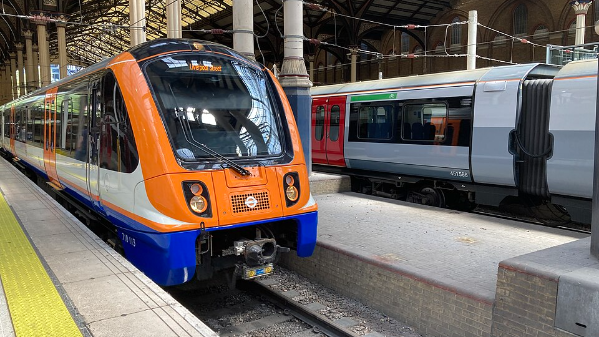
The public transport sector has experienced a rise in momentum due to new passenger routes being proposed and opened.
More recently, one proposal for an extension of the existing overground network has seen some spotlight from major news outlets, that being the West London Orbital (WLO) proposal. Rather interestingly, this is not the first time an orbital railway has been incorporated into the TfL network, that being the East London Line.
What is the West London Orbital?
As the name suggests, the WLO is a proposal for a new overground line in West London, spanning from Hounslow to Hendon. The line is to be incorporated into the wider TfL network, connecting to existing stations alongside plans to link to the HS2 network at Old Oak Common.
The line plans to re-utilise the existing Dudding Hill freight line and the Hounslow Loop. This has the practical benefit of construction being less protracted, which affects several points in the construction process. Evidently, costs will reduce, as there will be less infrastructure necessary, but so too will it affect consultancy and regulatory sessions over the viability of creating new rail lines, being that the infrastructure is already there.
Whilst the current proposal terminates at Hendon, there were plans to extend the network to West Hampstead.
Concerns
One key concern is the integration of the line with existing infrastructure. With passenger rail also comes the construction of stations, which take space and may also alter the existing rail lines. As the stations and extra platforms are constructed, this may disrupt timetabling for existing networks.
Additionally, as with all infrastructure projects, another problem is funding. As it stands, the project has already achieved £6.65 million in funding, which is being split up with TfL and the local boroughs. TfL plans to use these funds for engineering modelling alongside the signalling. However, if this is interrupted in some way, this will push forward the start date for construction.
How are Law Firms Involved?
Law firms will assist TfL in acquiring leases for new rail stock from ROSCOs (Rolling Stock Companies). This will involve firms to cover matters within the full life cycle of the asset. Some concerns that the firms will have to deal with are the contractual relationship between lessor and operator, which can affect exit clauses and early exit fees.
Additionally, with the construction of the new stations, this will also implicate local council regeneration projects such as Brent Cross. Firms will focus on the fund structures and public-private partnerships.
Things to Consider
TfL have stated that they have already commenced consultations with local communities. Topics covered will discuss changes and upgrades to existing stations. With the increase in capacity for some of the proposed interchanges, with other lines, the concerns of the public may shape the way in which these upgrades are materialised.
Regeneration projects may affect the likelihood of the chance that construction will occur. As in the case of the Brent Cross regeneration project, a new station was built on the Thameslink network; hence, it is important to keep watch for redevelopment projects, such as Old Oak Common. Hence, it is important that the proposal is fully integrated with the redevelopments, so that the local councils maintain support.