
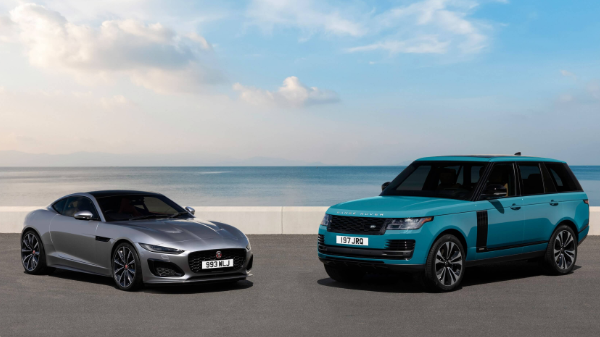
The UK government has announced a £700m funding package to support electric vehicle manufacturing. At its centre is a £380m grant for a new battery gigafactory (a large-scale facility for mass-producing batteries) in Somerset, developed by Agratas a Tata Group subsidiary and parent company of Jaguar Land Rover.
The logic is simple. Without domestic battery production, UK manufacturers must import, raising costs and exposing operations to geopolitical risk. Governments across Europe, the US and China have already responded with heavy investment. The UK is following suit.
Where the Risk Sits
The deal raises immediate questions about risk allocation: who bears the financial consequences if things go wrong? This is public money backing a private project. If the gigafactory underperforms due to delays, cost overruns, or weaker demand, the consequences fall across government, the manufacturer, and the supply chain alike. Battery production also depends on lithium and cobalt, politically sensitive materials mined in a handful of countries and subject to sharp price swings.
The Company at the Centre and Its Recent Crisis
The strategy is heavily reliant on JLR. But the concentration risk, the danger of depending too heavily on a single company, runs deeper than expected.
In August 2025, hackers forced JLR to shut down its entire production line, leaving downstream suppliers (smaller businesses that make components like seats, wiring, and brakes) at risk of bankruptcy. The government stepped in, guaranteeing a £1.5 billion loan to stabilise the supply chain. The attack was linked to the same group behind hacks on Marks & Spencer and the Co-op, with Tata Consulting Services JLR’s IT provider suspected as the point of entry across all three.
What made this controversial was that JLR had no cybersecurity insurance, despite making £2.5 billion in pre-tax profit in 2024. This was the first time a UK company received government support in response to a cyberattack raising questions about moral hazard: if companies know the government will bail them out, what incentive do they have to protect themselves?
The Demand Question
None of this works without people buying EVs. The ZEV Mandate, a legal requirement for manufacturers to meet EV sales targets or face fines of £15,000 per non-compliant car, was already being missed in 2025, when EVs accounted for just 23% of new car sales, short of the 28% target. JLR’s premium positioning makes its sales more sensitive to economic pressures, leaving little margin for error.
How Legal Teams Get Involved
This story touches multiple practice areas.
- Finance lawyers structure government-backed funding and allocate financial risk.
- Commercial lawyers draft supply agreements with disruption clauses to address spikes in cobalt prices.
- Regulatory lawyers advise on subsidy control rules—the framework governing when public money can legally support private business.
- Cybersecurity and disputes lawyers are increasingly central to deals that appear to be pure infrastructure investments on the surface.
Future outlook
The Somerset gigafactory could anchor the UK’s EV supply chain. But the JLR hack reveals what the £700m headline obscures physical investment means little if the digital infrastructure behind it isn’t fortified.
From November 2026, all new cars must meet Euro 7 emissions standards, adding further regulatory pressure on manufacturers already absorbing the costs of electrification.