
Issue
What effect would the introduction of textile Extended Producer Responsibility (tEPR) have on the UK fashion and textile industry?
Short Answer
tEPR would make producers responsible for the lifecycle of their textile products, incentivising sustainable design, reducing waste sent to landfill, and driving circularity across the sector.
Facts / Development of the Bill
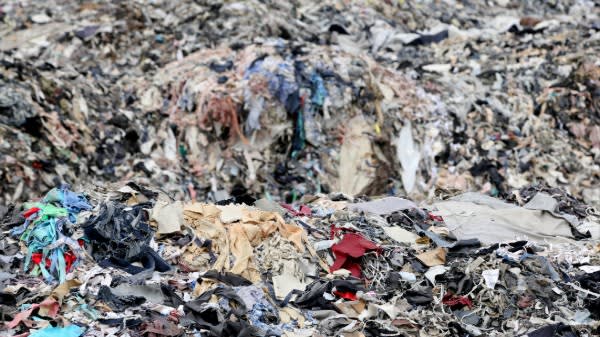
The UK fashion and textile industry contributes £62 billion annually but generates millions of tonnes of waste, creating significant environmental impacts including CO₂ emissions. In Europe, countries such as France, Germany, and Belgium have already introduced mandatory tEPR schemes, requiring producers to fund collection, recycling, and consumer awareness initiatives. In the UK, the Environment Act 2021 provides the legislative framework to introduce tEPR through secondary legislation. Industry bodies including CFIN, WEFT, and the British Fashion Council have researched and piloted UK-specific models, showing readiness for implementation.
Analysis
Introducing tEPR in the UK would align the fashion and textile industry with global sustainability standards while supporting government priorities in circular economy and net-zero targets. Producers would be incentivised to adopt ecodesign principles, minimise waste, and invest in recycling infrastructure. By contrast, the lack of a current mandatory scheme leaves the UK behind Europe in terms of environmental responsibility and competitiveness. The scheme would also give devolved nations a mechanism to meet recycling and waste reduction targets, providing economic and environmental benefits simultaneously.
Conclusion
Mandatory tEPR in the UK would fundamentally transform the fashion and textile industry by shifting responsibility for waste from consumers and local authorities to producers. By learning from European examples, the UK could reduce landfill dependency, drive sustainable innovation, and establish itself as a global leader in circular fashion.