Introduction
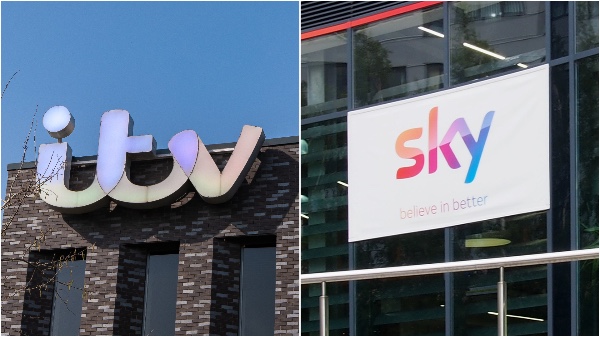
On 6 July 2026, ITV agreed to sell its media and entertainment business to Sky for up to £1.6 billion. The sale covers ITV’s free-to-air channels and its ITVX streaming service. It does not include ITV Studios, the division that makes ITV’s programmes, which will stay a separate listed company. For lawyers and law students, the important part is not the price but the regulatory approval the deal now needs. ITV expects that review to take up to two years, covering three separate issues. The outcome will affect viewers, advertisers and thousands of ITV staff, and it will test whether the UK’s media ownership rules still fit a market shaped by global streaming services.
Breakdown
Why the Deal Is Happening
ITV’s advertising income has fallen as audiences move to Netflix, YouTube and similar platforms. Merging with Sky, owned by the American company Comcast, gives ITV the scale to compete. The combined business would be one of the largest players in British television.
The Three Reviews
The first issue is competition. The Competition and Markets Authority (CMA), the UK’s competition regulator, must decide whether the deal substantially reduces competition. That turns on how it defines the market. ITV alone takes around 32% of commercial TV viewing, but Sky argues the real market is the whole online video and advertising sector, where the two would hold roughly 6.5%.
The second issue is media plurality. The Culture Secretary may ask the media regulator Ofcom to assess whether too much of Britain’s news would fall under a single owner. ITV owns about 40% of ITN (Independent Television News), which supplies news to ITV, Channel 4 and Channel 5, while Sky already owns Sky News.
The final issue is national security. Sky’s owner is American, so the deal is likely to need clearance under the National Security and Investment Act 2021, a separate government review of foreign takeovers.
Impact on Law Firms
A transaction of this size would draw in several teams at a City law firm:
- Corporate: This team would draft and negotiate the sale agreement, run due diligence and advise on the terms, including the break fee payable if the deal falls through.
- Competition: This team would lead the CMA review, build the arguments on how the market should be defined and negotiate any conditions needed for clearance.
- Regulatory: This team would handle the Ofcom process and the national security notification, and advise on media ownership rules.
- Employment: This team would advise on staff transfers and possible job losses, as ITV has given no guarantees on jobs.
- Commercial: This team would advise on the long-term content deal between Sky and ITV Studios, which is meant to keep programmes such as Coronation Street and Emmerdale on air after the sale.
Future Outlook
The regulatory risk is real. When Sky bought a stake in ITV in 2006, the government intervened and Sky was later forced to sell most of it at a loss of around £339 million. This time ITV expects the review to enter a second, in-depth phase, with completion unlikely before late 2027. The central question is whether regulators accept that global streaming has changed the market enough to let two established British broadcasters combine. Their decision will shape the ownership of UK commercial television for years to come.