
Introduction
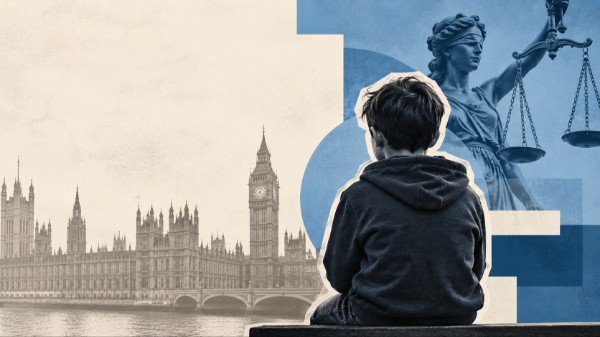
At just 10, the minimum age of criminal responsibility (MACR) in England and Wales is among the lowest in Europe.
In June 2026, the Bar Council released a report recommending that the MACR be increased to 14, in line with United Nations recommendations.
But why does the Bar Council believe children under 14 should not be prosecuted?
What is the Age of Criminal Responsibility?
The MACR is the minimum age at which a child can be convicted of a criminal offence.
In England and Wales, children under 10 cannot be found guilty of a crime. After this age, they can be arrested, prosecuted and convicted.
This was not always the case. Until 1998, children aged 10 to 13 were presumed incapable of committing a crime unless it could be proven that they understood their actions were "seriously wrong". This principle, known as doli incapax, was removed by section 34 of the Crime and Disorder Act 1998.
This change was made against the backdrop of the murder of James Bulger by two 10-year-olds. Interestingly, the children convicted of his murder would still have been found criminally liable under the doli incapax rule, since the prosecution were able to prove that they knew their actions were seriously wrong.
Why does the Bar Council want to raise the MACR?
The report highlights four reasons for raising the MACR:
- The current MACR does not reflect modern knowledge of neuroscience. Research shows that the parts of the brain involved in impulse control, risk assessment and decision-making continue developing into early adulthood.
- Children are vulnerable to peer pressure and exploitation, which could influence them to commit offences.
- Children involved with the criminal justice system are more likely to have experienced disadvantage, such as school exclusion, being taken into care or criminal exploitation.
- Prosecuting children can make further offending more likely. The stigma of a criminal record and disruption to education can restrict future opportunities and push them into further cycles of offending.
Raising the MACR could therefore help prevent future crime as well as protecting children from disproportionate punishment.
What About the Most Serious Crimes?
The strongest objection to these proposals concerns children who commit extremely serious offences.
The murder of two-year-old James Bulger by two 10-year-old boys in 1993 continues to cast a shadow over the debate on the MACR. However, cases involving serious violence by children this young are exceptionally rare.
The Bar Council argues that offending by children under 14 should instead be addressed through welfare, education and mental health interventions rather than criminal prosecution, focusing on rehabilitation and safeguarding instead of punishment.
Conclusion
The Ministry of Justice is considering the Bar Council’s recommendations on the MACR but has not yet committed to raising it.
Raising the MACR could be politically difficult, particularly given the history of public concern surrounding serious crimes committed by children, but a 2026 survey cited in the Bar Council report found that 65% of respondents believe the MACR should be higher than 10.
Ultimately, the debate around the MACR raises the question: if prosecuting a 10-year-old could make them more likely to offend again, will criminalising them really make the public safer in the long term?