
Introduction
Since its creation over 150 years ago, the Chancery Division of the High Court may be abolished following a major shake‑up announced by the Lady Chief Justice and the Lord Chancellor. The reform comes as part of wider plans to modernise the High Court.
Background
Established in 1875, the High Court of Justice in London is one of the Senior Courts of England and Wales. At its core, the High Court deals with high‑value civil disputes and appeals.
The High Court is made up of three divisions, namely the King’s Bench Division, the Family Division and the Chancery Division, each specialising in different areas of law. At present, there are around 100 High Court judges sitting across these divisions.
What is the Chancery Division?
The Chancery Division originated in the 15th century as a court of equity, providing remedies unavailable in the common law courts. The Judicature Act 1873 dissolved the Court of Chancery and transferred its jurisdiction to the modern Chancery Division.
Today, the Division handles a wide range of civil work, including disputes relating to business, property and land, intellectual property, insolvency, bankruptcy and the validity of wills.
Replacement of the Chancery Division
The new Business and Property Division will bring together all the Business and Property Courts. These currently include the Chancery Division, the Commercial Court and the Technology and Construction Court, with the Financial List jointly operated by the King’s Bench and Chancery Divisions.
Individual courts and lists which include Property, Trusts and Probate will continue their work with the same jurisdictions and areas of expertise. The Chancellor of the High Court will become the Head of the new division.
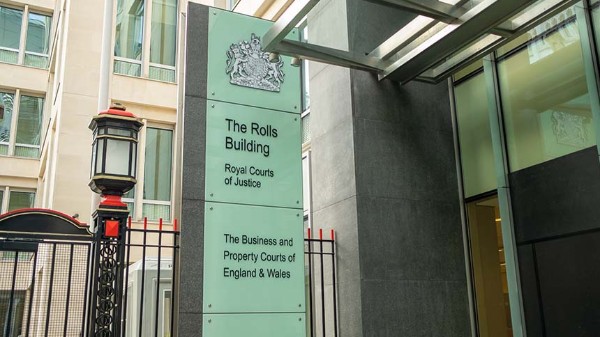
The division will be based in the Rolls Building in London and operate from Birmingham, Bristol, Cardiff, Leeds, Liverpool, Manchester and Newcastle. These changes will not affect the wider structure or work of the King’s Bench Division or the existing High Court lists.
Reason for Change
This government‑backed initiative aims to unify specialist courts into a “single, coherent structure” to improve access to justice and strengthen the international reputation of the courts.
The reforms are intended to make it easier for court users to identify where to bring their case, create a more efficient and flexible system of judicial deployment, and simplify governance arrangements for business and property work.
Acknowledging the complexity and outdated aspects of the current system, the Lady Chief Justice, Baroness Carr, stated that the creation of the new division better reflects the needs of modern people and businesses.
Implementation of Reform
The new division is expected to be established in October 2026. Changes will be made through an Order in Council laid before Parliament, alongside updates to the Civil Procedure Rules, practice directions and other associated materials.
Additionally, law firms will have to guide clients through how the new Business and Property Division affects case allocation, procedure and litigation strategies. Commercial litigation, insolvency, property, trusts and financial services teams will all play a role in helping clients adapt to the new structure.
Public Response
The response has been largely positive. The Lord Chancellor, David Lammy, expressed his support for the judiciary-led initiative, highlighting its benefits for economic growth and its role in ensuring “the UK remains a global hub for corporate litigation”.
Chris Bushell, former president of the London Solicitors Litigation Association, described the reform as “a welcome move to modernise the High Court structure while retaining the special expertise of the individual courts and lists”.
However, some critics argue that removing the Chancery Division may “diminish the distinctive visible customs of the law and its fundamental character”. Others fear that simplifying the structure risks losing the “poetic element” that makes Chancery practice memorable.
Future Outlook
It remains to be seen how these reforms will operate in practice and whether they will achieve their intended goals. The overburdened legal system clearly requires review, and any changes that reduce backlogs and improve the delivery of justice should not be overlooked.