
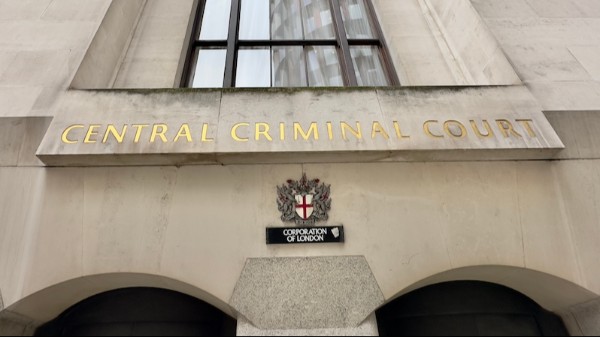
On Monday 21 September 2026, the government announced plans to introduce specialist rape courts across England and Wales. The announcement comes just over a month after the Prime Minister confirmed that individuals convicted of rape, grooming and serious child sexual offences would be excluded from the government’s early‑release scheme.
Under the new policy, every Crown Court will have at least one courtroom allocated exclusively to rape and serious sexual offence cases.
Why Are Rape Courts Being Introduced?
The ongoing court backlog has left victims of rape and sexual assault waiting an average of 300 days for their case to be heard. Of the 80,000 cases awaiting trial, 19% relate to sexual offences.
As a result, the government aims to prioritise rape cases and place victims at the centre of the criminal justice system. The reforms are also intended to encourage more victims to come forward by offering more tailored support. This forms part of the government’s wider strategy to tackle violence against women and girls.
What Changes Are Expected?
This multimillion‑pound investment will introduce:
- Private entrances and waiting areas to prevent victims from encountering defendants.
- Facilities for victims to pre‑record evidence and observe sentencing remotely.
- Fixed hearing dates for rape and serious sexual offence trials, which removes them from floating lists that often lead to last‑minute postponements.
- Trauma‑informed training for court staff.
- A pilot scheme providing each survivor with a single point of contact throughout proceedings.
- A new taskforce led by the Justice Secretary to reduce trial postponements and challenge myths that contribute to victims withdrawing from cases.
When Will These Changes Be Implemented?
The rollout will take place over the next two years across all 84 Crown Court buildings, with full implementation expected by 2028.
How Will Law Firms Be Affected?
Fixed trial dates will give law firms greater certainty and reduce administrative costs associated with rescheduling barristers and expert witnesses. At the same time, lawyers will face increased pressure to be trial‑ready months in advance, especially where pre‑recorded evidence is used.
Defence lawyers will also need to adapt to an environment designed to support victims. Traditional cross‑examination approaches may require more sensitive handling, while still protecting the defendant’s rights. Therefore, the defence is likely to shift away from "an attack the victim strategy" and will instead need to focus on scrutinising the prosecution’s evidence and the defendant’s actions.
Public Response
The reforms have been broadly welcomed. The CEO of Rape Crisis England and Wales described them as essential to ensuring courts “properly meet the needs of victims and survivors”, which is crucial for securing justice. Victims’ Commissioner Claire Waxman also welcomed the “long overdue commitment” but warned that the existing backlog may slow implementation.
Others have raised practical concerns, noting that “two years may be both a long wait for victims and an ambitious timetable” given pressures on courts and police. For now, the proposals remain policy commitments and their effectiveness will depend on whether the government delivers on its promises.
Future Outlook
These specialist rape courts could significantly change how victims of rape and sexual abuse experience the justice system. The reforms may also deter offenders, knowing that they would face more serious consequences and fewer procedural delays.
However, it remains to be seen whether these measures will ease the court backlog or place additional strain on an already pressured system. Their long‑term impact will depend on sustained investment, effective implementation and the ability of courts to adapt to the new model.