
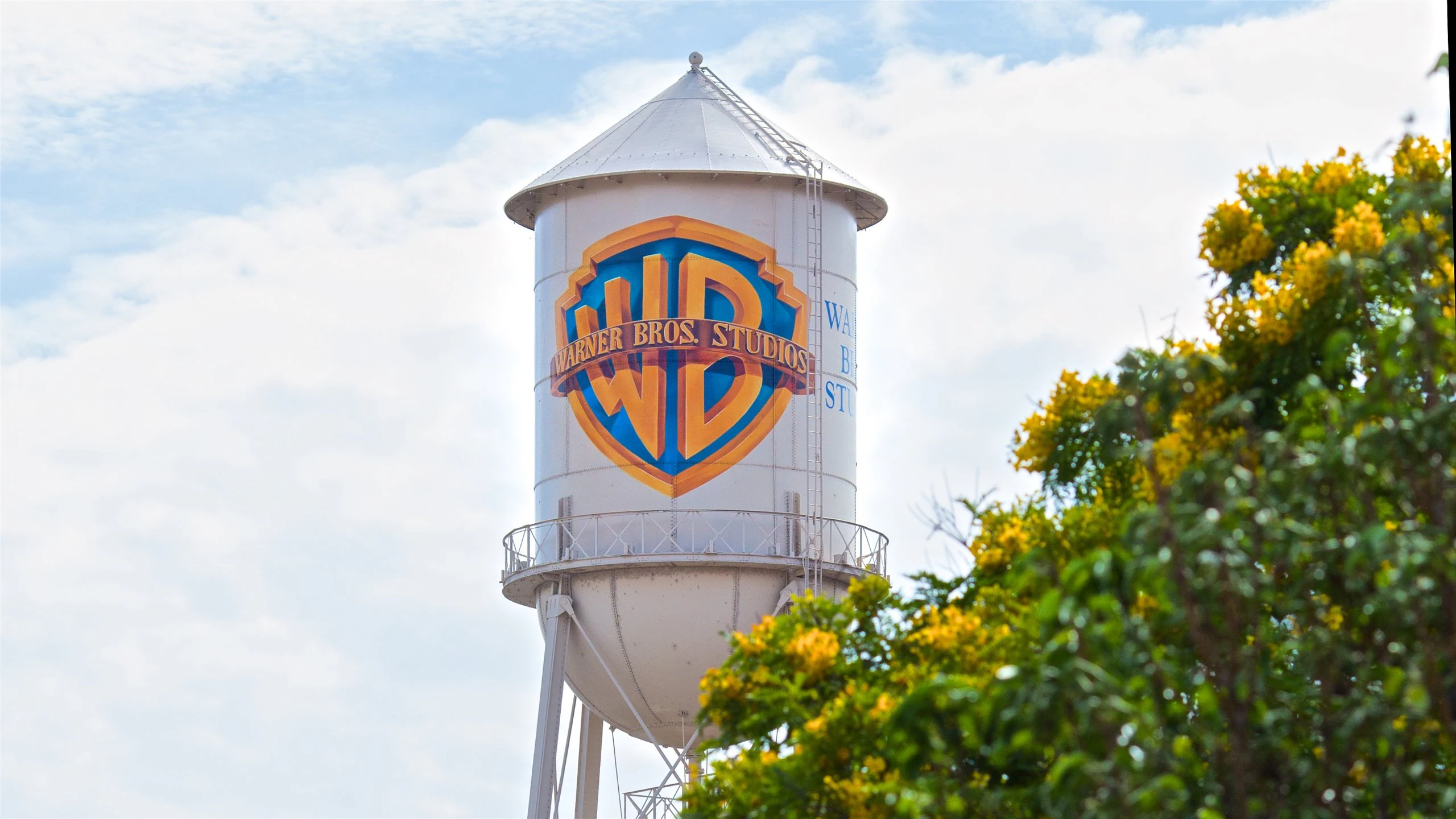
Netflix, the world’s biggest streaming platform, is set to acquire Warner Bros for $83 billion, the 100-year-old studio behind Batman, Harry Potter and some of the most valuable entertainment IP ever created. It’s one of the boldest moves in modern media.
Here’s the number everyone is talking about:
If regulators block the deal, Netflix must pay Warner Bros a $5.8 billion breakup fee.
Yes, $5.8 billion simply for attempting the merger.
Why Warner Bros Is Selling
Warner Bros Discovery has struggled with:
- collapsing cable revenue;
- over $40bn in debt;
- inconsistent box office performance (especially in the DC universe) and;
- a streaming service (HBO Max) that hasn’t scaled internationally.
- Talks with Paramount collapsed, leaving Warner Bros seeking stability.
Netflix is the only buyer with the capital, global reach and strategic reason to absorb the studio.
Why Netflix Wants Warner Bros
Netflix has scale, but not the kind of permanent franchise IP that drives long-term value:
Disney owns Marvel and Star Wars.
Warner Bros owns DC Universe, Harry Potter, Looney Tunes and a century of film history.
Netflix relies on originals (expensive to produce) and licences (temporary).
Buying Warner Bros gives Netflix durable global IP and the ability to reboot, expand and control franchises for decades.
The $5.8 billion Breakup Fee: What It Actually Means
If regulators block the merger, Netflix must pay Warner Bros $5.8 billion. This is called a breakup fee and acts as compensation to the seller if the deal collapses.
When a seller enters a merger, it effectively takes itself off the market. If the transaction defaults because the buyer can’t secure clearance, the seller loses time, momentum and alternative bidders. The breakup fee covers that damage.
The size of this fee tells us two things:
- Regulators may seriously challenge the merger. Netflix owning Warner Bros could raise major competition concerns.
- Warner Bros demanded protection. After failed talks with Paramount, they could not risk another collapsed deal without compensation.
How the Merger Actually Works
Skadden is advising Netflix in this deal and these are the steps they would follow to ensure the deal is complete:
Step 1: Sign the Merger Agreement
Netflix and WBD negotiate and sign a contract that sets out:
- the purchase price;
- how the merger will be structured;
- the $5.8bn break fee;
- rights, obligations, warranties and disclosures; and
- What happens if either side backs out?
This is the legal backbone of the deal.
Step 2: Shareholders Vote
Warner Bros Discovery is a publicly traded company. Netflix cannot acquire it unless WBD’s shareholders approve the merger terms.
Before the vote, shareholders receive a detailed proxy statement explaining:
- how much cash they will receive per share;
- how many Netflix shares they will receive;
- how the valuation was calculated;
- what the risks are; and
- fairness opinions from investment banks.
This deal is expected to be a cash-and-stock merger, meaning WBD shareholders will receive a mix of cash and Netflix shares.
If shareholders vote "Yes", their existing WBD shares are cancelled at closing and they automatically receive:
- The cash payout; and
- The agreed number of Netflix shares.
If they vote "No", the deal collapses immediately.
Step 3: Due Diligence
Skadden’s lawyers examine everything:
- Who actually owns the rights to Batman, Harry Potter, Looney Tunes, etc?
- What licensing deals already exist?
- Are there union obligations?
- Any ongoing lawsuits?
- What debts/liabilities are being taken on?
- What assets belong to the studio vs third parties?
- What contracts could stop the merger?
This stage shapes:
- the final price;
- deal structure;
- carve-outs; and
- risk allocation.
This is the deep legal work.
Step 4: Competition Regulators Review It
This is the biggest threat to the merger. Regulators in multiple jurisdictions must approve the deal:
- US DOJ/FTC (antitrust);
- UK CMA;
- European Commission; and
- China’s SAMR.
They look at whether Netflix owning Warner Bros would:
- harm competition;
- control too much premium IP;
- disadvantage rival streamers; and
- create a vertically integrated monopoly.
If any major regulator blocks it → Netflix owes $5.8bn.
Step 5: Closing
If approvals come through:
- Netflix pays for the shares.
- shareholders cash out;
- Warner Bros becomes a Netflix company, and
- assets, IP, studios and contracts transfer over.
This is when the merger legally “happens”.
What Teams are Actually Involved in a Deal Like This
- Corporate/M&A: draft and negotiate the deal.
- Competition: manage global regulatory filings.
- IP: confirm ownership of every character and licence.
- Employment: review union and talent agreements.
- Finance: structure the funding.
- Litigation: assess ongoing legal risks.
Future Outlook
This merger won’t only affect rival streaming platforms. It will affect writers, actors and the entire creative supply chain. With Netflix absorbing Warner Bros., creators lose a negotiating option, reducing competition in the labour market and potentially lowering talent's bargaining power.
There’s also a cinematic shift. Warner Bros traditionally produced films for the box office. Under Netflix ownership, franchise instalments could debut exclusively upon streaming. This reduces theatrical releases and puts further pressure on cinemas still recovering from the pandemic. Regulators may worry about the long-term impact on cultural diversity and film financing.
For consumers, the short-term picture looks different: if you currently subscribe to HBO Max + Netflix, a merged ecosystem means one fewer subscription. Convenience increases but regulators may see this as consolidation that reduces market choice.