
Introduction
Meta has agreed to a $18bn partially conditional settlement in which Meta agreed to pay to 48 states.
The original challenge, starting as a proposed violation under a US law, the Children’s Online Privacy Protection Act (COPPA), has extended to a long-awaited allegation on them imposing addiction on children and adolescents through their social media platforms.
Settlement Details
Besides the $18 billion which is to be paid over a decade, as a part of the Settlement Meta purports in a year to restrict social media use for children through monitoring usage and time frame limits along with removal of likes and extreme make-up filters.
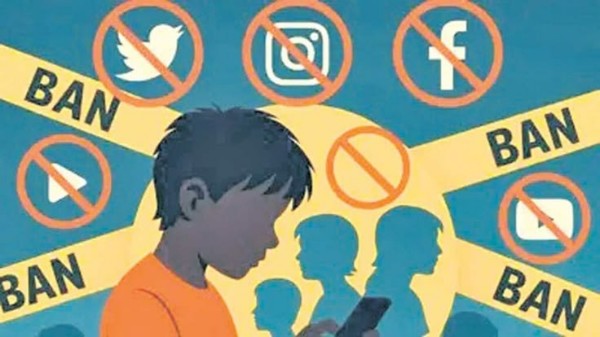
The deal includes two-hour daily limit on Meta’s apps for users under the age of 18, ‘school mode’ of muted notifications during school hours and overall enhanced parental control. Altogether, these restrictions implemented into algorithms and apps’ operations of social networks internally by its manufacturers, and not by the external bans of individual countries such as Australia, suggests more effective deterrence tactics.
Business Case
The changes coming in the shifting attitude of users to social media primarily concerns these same providers. The present case, with detailed investigation of negative impact consequences and forcing mitigating actions, can affect the work of many companies. This includes the advertising slots available to competitors whose platforms are at risk in getting into the same category.
As Meta face major penalties and adopt unprofitable limits, its competitors are being more pressured to review their platforms before it would be enforced upon them. In fact, this push has already been made with Meta agreeing to pay $5bn out of the total sum solely on the condition that Snapchat, TikTok and YouTube adopt the same restricting measures for their corresponding platforms. Despite the main driver being the maintenance of a competitive market and fair opportunities, these joint efforts and response are capable of drastically changing the social media environment.
Legal Team Involvement
- Regulatory Lawyers will oversee national laws on youth online safety and advise on compliance with expanding frameworks.
- Privacy Lawyers update consent mechanisms, confidentiality storage policies, parental control and review data collection practices for minors across all products.
- Commercial/Product Lawyers create legal review guidelines for social media redesign regarding teenage users.
- Litigation Lawyers manage any shareholder or investor lawsuits alleging the company underestimated the risks or did not take mitigating measures.
- International/Comparative Lawyers harmonize companies’ policies to satisfy the global standard on social media use for minors.
Future Outlook
The trend of global backlash against social media forces more companies such as Meta to change their policies in order to conform to states’ and rising international requirements on less addictive social media and more protective online surroundings for underaged groups. While this change hinders the profits of social media providers, similar limitations can result in the complete rethinking of social media effect and its applicability as well as nurturing a generation less susceptible to it.