
Introduction
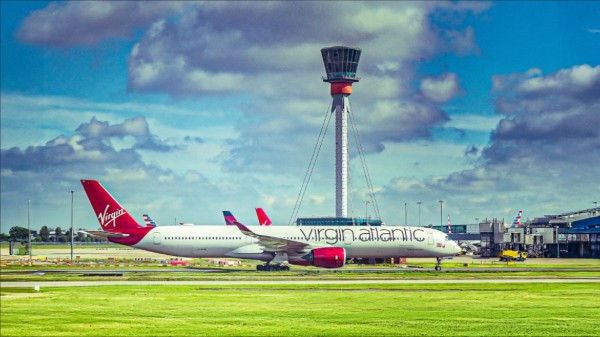
The Competition and Markets Authority (CMA), UK's competition and consumer protection regulator, has launched formal investigations into Trainline, Virgin Atlantic and Red Driving School over a practice known as drip pricing. Thus, three well-known consumer brands now face scrutiny over whether they showed customers the full price of train tickets, package holidays and driving lessons upfront, or only revealed mandatory fees later in the booking process. Announced on 19 August 2026, the news wiped roughly 13 per cent off Trainline's share price within hours, showing how seriously the market takes regulatory risk. This investigation is a reminder that pricing decisions carry legal consequences, not just marketing ones.
What Is Drip Pricing?
Drip pricing happens when a business advertises one price, then adds mandatory charges as the customer moves through checkout, so the final amount paid is higher than what was first displayed. Think of it like ordering something online for £50, only to watch the total climb to £58 once a service fee or booking fee appears at the final payment screen, a fee you had no way of knowing about, or avoiding, when you first decided to buy. Under the Digital Markets, Competition and Consumers Act 2024 (DMCCA) , which came into force in April 2025, drip pricing is now unlawful in all circumstances, not just when it can be proven to have misled a specific customer.
Is This a Pattern we Have Seen Before?
A reference can be made to an instance when a landlord adds a cleaning fee or admin fee to a tenancy only once the lease is signed, a cost the tenant never agreed to upfront. This is not the CMA's first attempt at tackling hidden fees. The regulator has already fined driving schools AA and BSM £4 million combined, and ticketing platform StubHub UK, for the same practice. The CMA's message is that such practices, however common they may have become, are not simply bad customer service; they are breaches of the law and now come with serious financial and reputational consequences attached.
Impact on Law Firms
The CMA's investigation does not just affect Trainline, Virgin Atlantic and RED Driving School; it creates work for law firms too. Consumer-facing businesses across retail, travel and hospitality are now approaching firms proactively, asking for pricing and checkout processes to be reviewed before, and not after, the CMA comes knocking, driving a genuine rise in compliance focused advisory instructions.
The impact reaches into deal-making too. In mergers and acquisitions involving consumer-facing companies, due diligence must now probe a target's pricing practices specifically, since an undisclosed drip pricing issue could expose a buyer to fines after completion. Firms that already represented AA, BSM or StubHub in earlier CMA cases are well placed to act again, meaning specialist knowledge of this niche area has quickly become an advantage.
Future Outlook
The DMCCA gives the CMA the power to fine companies up to the higher of £300,000 or 10 per cent of their global turnover, without needing to go to court first. Therefore, the question arises as to how much it will cost them when they do. As regulators grow bolder and penalties grow steeper, demand for lawyers who understand consumer protection and pricing compliance is only going to increase.