
Introduction
From West London high streets to global celebrity endorsements, Trapstar has become one of the most recognisable names in British streetwear. However, in May 2026, the company entered administration- a formal insolvency process that allows struggling businesses to be rescued, sold or restructured while protecting creditors.
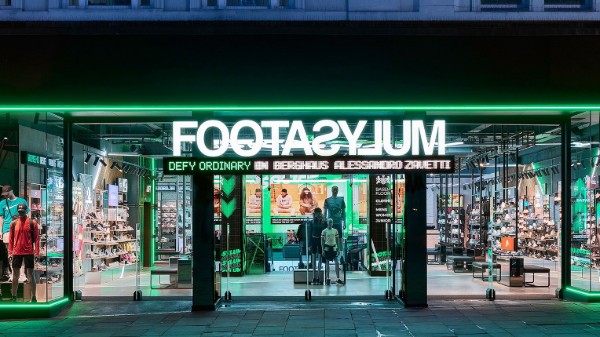
Shortly afterwards, Footasylum announced a strategic partnership with Trapstar. As the founders continue to lead the brand creatively, Footasylum will provide the retail infrastructure, operational support, and marketing capabilities needed for its next phase of growth.
Why It Happened
For many consumers, Trapstar's administration came as a surprise. The brand remains highly visible across music, sport and youth culture, with artists such as Stormzy, Central Cee and Dave regularly wearing its products.
However, popularity does not always translate into commercial success.
After experiencing rapid growth during the streetwear boom, Trapstar reportedly faced falling sales, stock shortages and cash-flow pressures. Cash flow refers to the money moving into and out of a business, and even profitable businesses can fail if they do not have enough cash available to meet their day-to-day obligations. Management suggested that the company's difficulties stemmed more from financial and operational challenges than a lack of customer interest.
The Business Impact
This story highlights an important commercial lesson: a successful brand and a successful company are not always the same thing.
Footasylum appears to believe that Trapstar's value lies in its brand rather than its previous operating model.
Instead of spending years building a new streetwear label, Footasylum has gained access to an established name with a loyal following and strong cultural relevance. If it can resolve the issues that contributed to Trapstar's administration, the retailer has an opportunity to unlock value from a brand that many consumers still want.
The partnership could also strengthen Footasylum's position against competitors such as JD Sports and Foot Locker by attracting more customers to its stores and online platform.
Looking Ahead
The success of the partnership will depend on whether Footasylum can scale Trapstar without losing the exclusivity and authenticity that helped make the brand successful.
If it can, the deal could serve as an example of how retailers create value by investing in distressed but well-established brands rather than building new ones from scratch.
Think Like a Law Firm
Imagine Footasylum has instructed your law firm to advise on this partnership.
Before giving legal advice, commercial law firms first seek to understand the client's objectives and identify where they can create value.
1. What is the client's objective?
Footasylum wants to strengthen its position in the streetwear market by partnering with an established brand instead of building one from scratch.
2. What is stopping them?
Acquiring or partnering with a business that has entered the administration phase creates legal, financial and commercial risks that need to be managed carefully.
3. Where can your firm add value?
Your firm can help structure the partnership, protect Trapstar's intellectual property, manage transaction risks and negotiate the agreements needed to support the brand's future growth.
4. Which teams need to be involved?
This transaction is likely to involve lawyers from Corporate, Restructuring & Insolvency, Intellectual Property, Commercial and Employment, with each team contributing their specialist expertise.
5. What does success look like?
From the client's perspective, success is not simply completing the partnership. It is acquiring a valuable brand, managing legal risk and creating the foundations for sustainable long-term growth.