
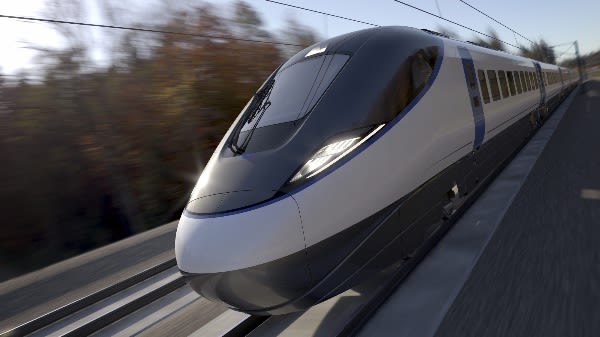
The HS2 Rail Project is a longstanding rail project which intends to serve as a further hub for connectivity between London and the North of England. The project itself has seen several setbacks, such as financial constraints and delays. This has caused the cost of the rail project to balloon exponentially, becoming the most expensive rail project in the world, currently valued at £40.5 billion by April, 2025.
Contract negotiations and Setbacks:
Recently, HS2 executives have attempted another round of negotiations with suppliers as a part of their reset strategy, but suppliers are reluctant to agree to changes. On the side of the suppliers, the Financial Times have reported that they are willing to negotiate at the table; the current contract was standard for the industry.
The question regarding the HS2 contracts has been a looming issue since last year, when Ex-Chairman Jon Thompson and current Chairman Mark Wild highlighted issues regarding construction inefficiency and frequent scope changes. The Commons Transport committee has also commented, stating that the current contracts were not value for money, and unacceptable to the public purse. In February, the Public Accounts reported that the entire cost of the project could exceed £80 billion.
As a result, Chairman Mark Wild is attempting to implement a reset, which urges renegotiating the existing contracts with suppliers, as well as focusing on an achievable conclusion.
Other Contractual negotiations:
In December 2021, the then-conservative government awarded a joint venture between Hitachi and Alstom; however, the contract included a 12-year maintenance clause, which was created before the reduction of the HS2 services to Manchester. Since then, government officials have negotiated to reduce the amount of train stock alongside reducing the number of cars.
The terms being changed may yield penalty payments, which already increase the total cost, alongside impacting the existing tax burden the project has had.
The additional problem of the Euston Terminus:
Despite this progress, the government has yet to find a private sector for the station building. According to the government, they are seeking a DFMB (Design, Build, Finance and Maintain) model partnership with a private partner for the Euston St Pancras Terminus.
What legal teams may be involved:
- Project finance lawyers would be involved in ensuring cooperation with public and private bodies, in terms of HS2’s funding.
- Arbitration teams will be involved in the negotiations for changes in contract terms and resolving disputes between HS2 and its suppliers.
- Public-Private Partnership lawyers will assist in drafting a reasonable deal to assist HS2 in enacting its DFMB model.
What’s next:
Regarding contracts and costs, the government expects that the total bill of the project will reach £100 billion, which will inevitably impact taxpayers, considering that the project is a publicly funded work. In the meantime, we can expect the resetting plan to go ahead and continue as normal, as the HS2 executives attempt to renegotiate their more expensive contracts with their suppliers.
Progress on the rail infrastructure itself appears to be continuing with the completion of the tunnels for the Chiltern region and the Euston Approach. However, the question surrounding the train stock from Hitachi and Alstom is a bit unclear. From what we know, a spokesperson from HS2 stated that the original order of 54 trains will continue.