
Introduction
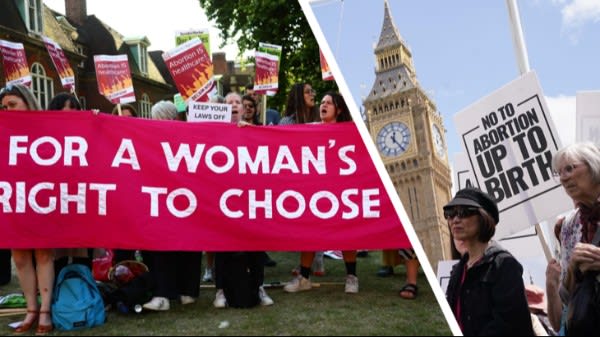
The House of Lords recently voted in favour of the decision to decriminalise abortion in England and Wales. This decision sparked controversy amongst various different groups and activists. In its wake, this article will explore the new proposed law, the rationale behind it, and the varying reactions it has received.
The Current Law on Abortion in the UK
Under the Abortion Act 1967, women in England, Scotland, and Wales can legally have an abortion up to 24 weeks of pregnancy, provided it is agreed by two doctors and carried out in a government-approved hospital or clinic.
The only exceptions after this 24-week window is if there is a risk to the life of the woman, evidence of severe fetal abnormality, or a risk of serious physical and mental injury to the woman.
In any other case, abortion is considered a criminal offence under the Offences Against the Person Act 1861 and the Infant Life (Preservation) Act 1929, carrying a life sentence.
Proposed Changes
Labour MP Tonia Antoniazzi propositioned various amendments to remove abortion from the criminal code in relation to women ending their own pregnancies.
The changes seek to alter the 164-year-old Victorian law preventing women from being investigated, prosecuted or imprisoned for terminating their own pregnancies. It would also see the women who have been convicted or jailed over illegal abortions, pardoned.
The proposed changes would have no impact on the provision of abortion care or the laws governing doctors, nurses and midwives. Moreover, punishments for medical professionals and violent partners who end a pregnancy outside of the law would remain in place.
What incentivised a change in the law?
There has been a reported increase in prosecutions and a number of high-profile court cases that saw women in the dock. Abortion provider MSI reported being made aware of 60 criminal inquiries in England and Wales since 2018.
A notable case was that of Nicola Packer who was arrested after delivering a stillborn baby at home. Unaware she was pregnant for more than 10 weeks, Nicola took prescribed abortion medicine when she was around 26 weeks pregnant. After a lengthy trial, Nicola was cleared by a jury of unlawfully administering herself with abortion pills at home. The Royal College of Obstetricians and Gynaecologists stated that the trial showed “just how outdated and harmful the current abortion law was”.
Another case involved a 17-year-old girl who was prevented from travelling to an abortion clinic on two occasions due to Covid restrictions meaning she passed the legal abortion limit. After delivering a stillborn baby at home, the girl was subjected to investigations by the police on suspicion of abortion law offences.
Public Response
Many other institutions have expressed their support for the decriminalisation of abortion. Among those is the British Medical Association who “welcomed the long overdue move” maintaining that abortion is “a healthcare matter, not one for the police”. Others include the British Pregnancy Advisory Service who expressed the importance of pardoning and expunging the records of “the women harmed by the legislation [in order for] the law to be brought into line with modern values”.
However, there has been significant backlash towards the amendments proposed including Conservative peer Baroness Monckton who urged fellow peers to “remove the radical proposal” maintaining that the decriminalisation of abortion was an “extreme social change for which there is no public pressure or demand and could have tragic consequences”. Another key adversary is the new Archbishop of Canterbury Sarah Mullally who said she believed the change risked “eroding safeguards [and] undermined the value of human life”.
Future Outlook
Despite the controversy it’s faced, the amendments will be passed with the remainder of the Crime and Policing Bill to the House of Commons for consideration of the Lords’ amendments which if stay unamended will come into force when the Bill becomes law. This would be a historic amendment to reproductive rights in the UK. How it will be received and its long-term impact on various aspects of society is yet to be seen.