
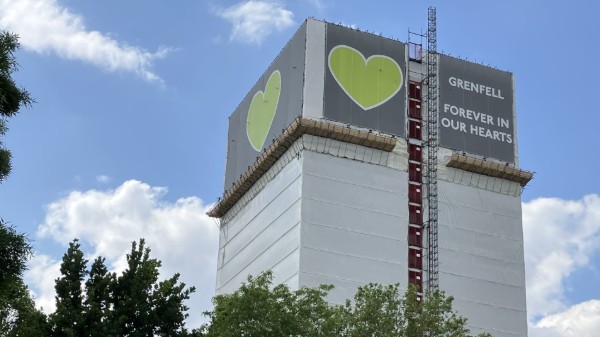
Introduction
Almost nine years after the horrific Grenfell Tower fire, the Metropolitan Police have announced that up to 57 individuals and 20 companies could face criminal charges over the disaster, which claimed 72 lives and forced hundreds of residents to be rehomed.
Background
In the early hours of 14 June 2017, a fire broke out in the kitchen of a fourth‑floor flat at Grenfell Tower. The flames spread rapidly up the eastern side of the building before moving across the north, south and west. By 4:30 a.m., over three hours after the fire began, the entire tower was engulfed. It did not burn itself out until 24 hours later.
Following this serious incident, the main question on everyone’s mind was how and why this was allowed to happen. Initial investigations revealed that the aluminium composite material cladding was a major factor in the fire’s rapid spread, allowing flames to move from flat to flat. Other issues included defective smoke‑extraction systems, the absence of a wet riser which hindered firefighters’ access to water, and exposed gas pipes installed the year before.
Who Will be Held Accountable and How
Among the 20 companies anticipated to face legal action include Arconic, which manufactured the cladding panels; Rydon Maintenance Limited, the main contractor for the refurbishment; and Exova (UK) Limited, which provided fire‑safety assessments.
The potential offences under consideration include corporate gross negligence manslaughter, fraud, health and safety breaches and misconduct in public office.
A final charging decision is not expected until June 2027. If the Crown Prosecution Service proceeds with prosecutions, trials are unlikely to begin before 2029. Therefore, justice still has a long way to go before anyone is held accountable for this incident.
Why Has There Been Such a Lengthy Delay
A disaster of this scale inevitably requires a complex and lengthy investigation. Deputy Assistant Commissioner Kevinn Southworth described it as “one of the most complex investigations ever undertaken by any UK law enforcement agency”. Police have reviewed 165 million electronic files and taken 14,400 witness statements. However, the wider court backlog contributes to delays in the upcoming trials.
With corporate manslaughter being notoriously difficult to prosecute, the threshold for conviction is likely high. Hence, many organisations involved may argue that the responsibility lies partly with the central government, which cannot be prosecuted for corporate manslaughter. Furthermore, even if a company is charged with this offence, the maximum penalty imposed would be a substantial fine rather than a custodial sentence. Therefore, a thorough investigation is essential to secure the strongest possible outcome.
However, groups such as Grenfell Next of Kin argue that the delays stem from the public inquiry being prioritised over the criminal investigation. Michael Mansfield KC has also criticised this approach, deeming it "an unwarranted delay".
Public Response
The handling of the investigation has triggered significant public frustration. Many survivors and families of victims report a “breakdown of trust and confidence” and feel that institutions responsible for delivering accountability have failed them.
The inquiry chair concluded that the deaths were “all avoidable” and that residents had “been badly failed over a number of years and in a number of different ways”.
Future Outlook
In summary, the progress on the Grenfell Tower investigation remains stagnant with no immediate signs of acceleration. Although various organisations have acknowledged the scale of the tragedy and issued apologies, accountability remains limited.
However, once criminal proceedings eventually begin, it will become clear whether individuals and companies will finally be held responsible or whether the “web of blame” will continue to be used to avoid criminal sanctions.