
Introduction
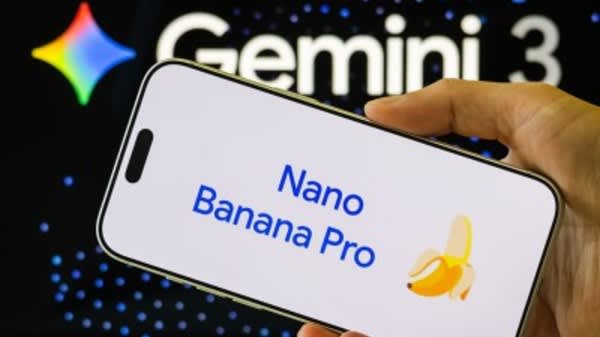
When Google released Nano Banana Pro, the internet's reaction swung from awe to unease. The images it produces are stunning, almost indistinguishable from real photographs, yet none of them exist in reality. For casual viewers, it's an impressive technical feat. For journalists, marketers, and legal teams, it's a potential nightmare. In a world already drowning in half-truths and misinformation, tools like this mark a new turning point: the line between factual and fabricated visuals is disappearing, and with it, one of the oldest forms of evidence we rely on.
Why Nano Banana Pro Is a Game-Changer
What makes Nano Banana Pro different from earlier image-generation tools is subtlety. Previous AI-generated images often looked "off"; colours were slightly off, shadows were inconsistent, and textures were unnaturally smoothed. Google's new model reproduces these details with astonishing accuracy. Faces carry natural imperfections, reflections behave as they would in real life, and backgrounds contain irregularities that even experienced eyes can't detect.
This level of realism isn't just impressive for artists or designers; it fundamentally changes the stakes. A single image could be mistaken for a candid photograph, a news image, or even evidence in an investigative report. That shift alone has wide-ranging implications for how society interprets visual content.
The Business Case
For Google and other tech companies, Nano Banana Pro is both a showcase and a commercial opportunity. Hyper-realistic AI images can be licensed to agencies, advertisers, and design firms that want to create visuals quickly and cheaply. The more realistic the images, the more attractive the tool becomes - it effectively allows a single employee to do the work of an entire studio.
For businesses, the benefits are straightforward. Marketing teams can iterate campaigns faster, e-commerce brands can generate product photos without expensive shoots, and social media managers can test multiple visual approaches in hours rather than weeks. The combination of cost savings and speed makes AI image generation irresistible for many organisations.
Yet there's another, darker commercial reality. Influence-seekers, political actors, and malicious individuals can exploit hyper-realistic images to mislead audiences. A fake photograph or fabricated scene can be shared widely before anyone has time to fact-check it. In other words, the same technology that accelerates creativity can also accelerate deception.
Legal Team Involvement
The rollout of Nano Banana Pro touches multiple legal and compliance areas.
Intellectual Property (IP): The AI learns from millions of images online, including copyrighted material. Legal teams must assess whether generated images infringe on existing work or replicate artistic styles, and who owns the resulting photos.
Competition: With only a handful of companies controlling cutting-edge AI tools, antitrust questions arise. Regulators may scrutinise whether these firms dominate the market or create unfair barriers for competitors.
Employment: As AI reduces the need for certain photography and design roles, teams may need to restructure. At the same time, new roles of AI content reviewers, authenticity officers, and digital ethics specialists are emerging.
Commercial: Contracts now require explicit language on AI-generated content, usage rights, and liability if images mislead audiences or violate third-party rights.
Future Outlook
We can expect AI-generated visuals to become increasingly common in advertising, social media, and media campaigns. Newsrooms may adopt mandatory verification standards, platforms may require labels or metadata tracking, and disclaimers about AI-generated content could become routine.
The societal implications are broader. If "seeing is believing" no longer holds, public trust in photography, journalism, and visual evidence will erode. Deepfakes, fabricated images, and viral AI content will challenge the way people perceive reality.
At the same time, this technology opens new creative opportunities. Independent creators, small businesses, and individuals without access to professional studios can now produce high-quality visuals with minimal cost, levelling the playing field in ways that were impossible about a decade ago.
We are entering a world where accessibility and authenticity are in tension. AI makes creation easier and cheaper, but it simultaneously undermines one of photography's oldest promises: that a picture reflects reality. The coming years will require new norms, tools, and public awareness to navigate new ground where images are as easy to fabricate as they are to admire.