
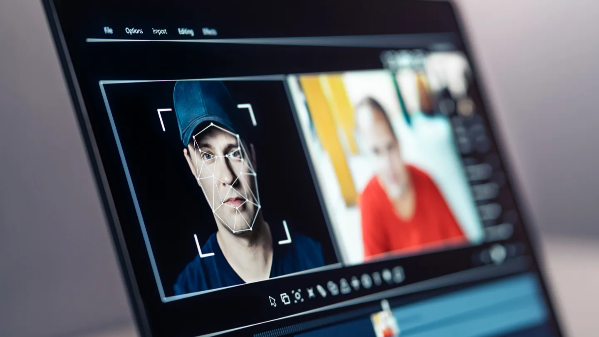
What are Deepfakes?
Deepfakes are highly realistic fake videos and audio clips made using artificial intelligence. They are created using a technique called Generative Adversarial Networks, where one system generates fake content and another tries to spot the fake, forcing the fake to become more convincing. As legal scholar Rebecca A. Delfino explains, these tools are built to deceive. This is a serious problem for courts, which have long relied on the idea that "seeing is believing." Deepfakes threaten to break that trust altogether.
How Could Deepfakes Change Court Cases?
Legal experts therefore agree that deepfakes could soon appear in civil and criminal cases. A Dutch report on the legal challenges of synthetic media warns that fake content could soon be produced so widely that telling fact from fiction becomes almost impossible. This matters because people naturally assume that what they see and hear is real unless given a reason to doubt it, and deepfakes take advantage of that trust. The problem runs deeper still, since older legal rules assumed that photos and recordings reflected reality. Digital files, however, are just data that can be endlessly changed, making them easy to fake and hard to detect. Courts have dealt with edited photos and doctored recordings before, but deepfakes are different: no witness ever actually saw or heard the real event, because there was no real event to begin with.
As a result, everyone who relies on the courts would be affected, though some more than others. A witness may honestly say a voice "sounds like" someone they know, yet that voice could be entirely fabricated. Checking whether media is genuine requires forensic experts, and there are too few of them, making the process slow and expensive, which disadvantages people who cannot afford it, including unrepresented litigants. A 2022 Royal Society study found that seventy-eight per cent of people could not tell a deepfake from a real video, and even trained professionals often cannot spot the difference without expert help. Wealthier litigants can afford expert witnesses and devices that verify authenticity, while poorer parties may struggle to prove that genuine evidence is real, deepening existing inequality in the system.
Can the Justice System Keep Up?
The wider effect on justice could therefore be severe. Judges may wrongly accept fake evidence or reject genuine evidence because it looks suspicious, and trials could grow longer and costlier as parties argue over authenticity. Some may even raise a "deepfake defence," claiming genuine evidence is fake simply to create doubt, while convicted individuals might later claim the evidence against them was faked, damaging public trust in court outcomes.
Making matters worse, detection technology is not keeping up: no reliable tool can currently spot every deepfake, and as the technology improves, catching fakes will require increasingly advanced and expensive forensic work. This echoes a wider warning from a 2009 US National Academy of Sciences report, which found that, apart from DNA testing, no forensic method has been reliably shown to link evidence to a specific person.
Deepfakes are not simply a new gadget to worry about. The technology creates a risk that genuine evidence will be doubted and fake evidence believed. How effectively the justice system responds will depend on its ability to verify evidence, manage uncertainty and ensure that the cost of doing so does not undermine fairness.