
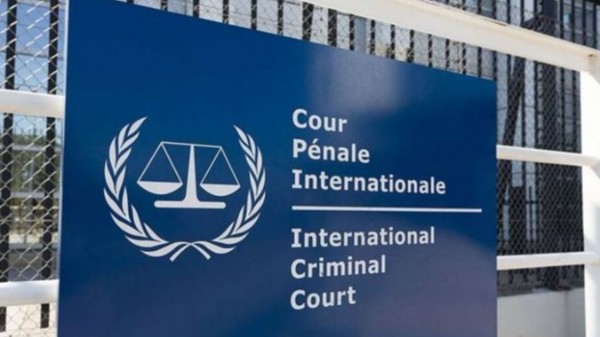
Issue
How does the US' campaign of ‘systematically dismantling the ICC’ and sequential sanctions threaten the global criminal justice order?
Short Answer
Despite the Trump administration's threats to the ICC’s functioning, most countries and NGOs bolster their joint efforts to sustain international justice by mitigating the effects of US sanctions and facilitating the work of court staff.
Facts
As more sanctions against International Criminal Court (ICC) officials were imposed by the US on 18th August, UN experts call for their member states to respond. These last targeted the ICC President Tomoko Akane and Senior Trial Lawyer Abdoulaye Seye, raising the total number of sanctioned jurists to 13.
These sanctions directly violate Article 70 of the Rome Statute establishing the ICC, which should protect court officials from being coerced, threatened or retaliated against for performing their duties. Yet, the sanctions interfere with these people’s everyday life through freezing their US assets, prohibiting any visits to the US and a general inability to use any US-linked credit cards.
Analysis
Avoiding Justice
Similar sanctions are an instrument in restraining the Court’s activities and shielding interested parties from justice for their crimes. It was first used by the United States in 2020 to prevent an investigation of alleged US military war crimes in Afghanistan. As the International Bar Association supposes, this time it intends to penalise the ICC for its issuance of arrest warrants against key Israeli officials such as Prime Minister Benjamin Netanyahu and former Minister of Defence Yoav Gallant for their unlawful actions in Gaza.
The US Secretary of State, Marco Rubio, justified it as protecting US independence and sovereignty against the ICC’s illegitimate interventions in American military and law enforcement.
Despite this allegation, a traditional concept of sovereignty has not been abused, as the United States continues to fully possess the ability to enforce its law on its own territory. Meanwhile, the Court’s territorial jurisdiction does cover its members' territories such as Palestine, so it has the legal right to issue legal orders for non-members who intervene in these territories or aid and abet crimes there.
Bringing Accountability Back
In the aftermath of World War II and the Nuremberg trials, the ICC was designed by Western states as an international liberal legal order, promoting universal values and prohibiting crimes against humanity. Like any supranational organisation, the ICC’s authority heavily depends on states' cooperation to investigate and arrest international criminals. It has been demonstrated during the American contribution in establishing attributed Russian war crimes in Ukraine and the present attempt to escape these proceedings against themselves. Therefore, the US' pressure on countries to leave the court puts the application of the ICC’s criminal justice system and its effectiveness at risk, decreasing its influence.
The main safeguards from the ongoing challenge UN experts highlighted would be activating the EU ‘Blocking Statute’ and Member States taking retaliatory actions. This would negate the sanctions’ application on European territory and deepen general engagement and compliance with the court. These steps are crucial in strengthening the court’s day-to-day operation and protecting its personnel by facilitating secure banking alternatives and legal defence structures.
Conclusion
The prosecution of international crimes is always under geopolitical pressure. It reflects the complexity of international relations in our globalised world and proceeds within the context of questioned legitimacy and jurisdictional issues. Nevertheless, the global community shows its commitment to securing peace and maintaining a developing global justice system, even with such obstacles.