
Introduction
After decades of rail privitisation, Labour plans to nationalise British rail, which would return many major commuter lines (such as c2c, South Western Railway and Greater Anglia) to public control, as well as potentially saving the government millions of pounds. This move raises questions about contract renegotiation, competiton and accountability in what some critics believe is the beginning of a rail monopoly.
1993 to now
1993 introduced the Railways Act, which formed 2 offices - the Office for Rail Franchising (ORF) and the Rail Regulation office.
In 2000, the ORF and the British Railways Board had been abolished with their functions assumed by the Strategic Rail Authority (S.R.A). This would later change in 2005 when the secretary of state for transport took over strategic and financial responsibilities. Later in 2001, Railtrack fell under administration due to severe financial difficulties, providing the basis for the Transport Secretary to form Network Rail.
Nowadays, the railways operate under a 3 prong system in which the Train Operating Companies (TOCs) receive commercial contracts, whilst Network Rail receives regulatory contracts. Meanwhile the Office for Rail and Road oversees the activity of Network Rail. Labour intends to re-mesh this fragmented system into one unified network.
Labour’s Plans for a nationalised rail system
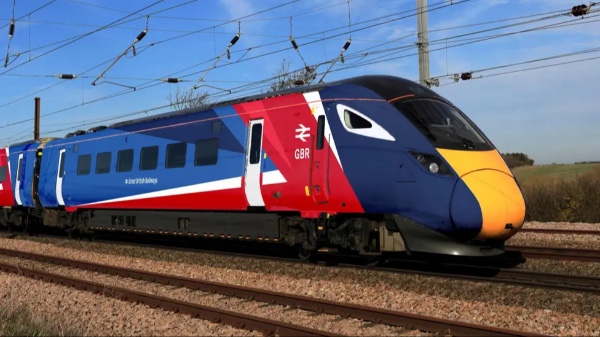
In 2024 the party stated its plans to renationalise rail within the next 5 years if it won the general elections. The party further clarified that an armslength entity (Great British Rail, or GBR) would be formed.
Since Labour’s victory in the 2024 General Election, the government has passed the Passenger Railway Services (Public Ownership) Act 2024 which intends to transfer passenger services to public ownership.
The Government has argued that through transferring TOCs to public ownership, the state would save £150,000,000 annually. The government currently spends just over £4 billion on supporting TOCs.
Additionally, concerns regarding overcrowding and poor service have factored into the Government’s decision to transfer the rail franchises into public ownership, allowing the government to have more direct oversight of rail services.
Who’s involved
The first TOC to transfer to public ownership was South Western Railway, with its operations being transferred (from First Group) to the government operator, DfTO.
The Government has recently announced several rail takeovers, such as Govia Thameslink Railway (GTR) and Great Western Railways (GWR), with the former transferring to public ownership by the end of May and the latter transferring in December.
Legal impact
- Competition Law - As GBR intends to take over the rail franchises in England, there is consideration on whether the GBR’s rail monopoly will stamp out private investment and innovation.
- Compliance Law - Some worry that nationalisation will bring problems regarding transparency and fairness. In GBR owning all rail infrastructure and passenger services, this may create a vertically integrated monopoly. Robbie Owen - a Parliamentary and Transport specialist - suggests that this will lead to reduced accountability in both its operation and relationship with operators.
- Contract Law - GBR will have to contend with renegotiating Rolling stock leasing agreements (ROSCOs) and supplier contracts.
Future Outlook
Overall, it is too soon to determine the effects of rail nationalisation as a whole, however one potential outcome could be former TOC operated routes being integrated into the wider TFL network.
In the beginning of 2026, TFL stated that it was intending to take over operation of the Northern City Line - operated by GTR. Potentially, this service would span from Moorgate to Crews Hill and Chase Park.
Additionally, London Mayor, Sadiq Khan, has proposed ‘Rail Devolution’, which plans for passenger services to be inherited by TFL, amidst expiring contracts. Mr Khan suggests that private ownership has let down commuters. As GBR expands and existing franchises dissolve, laywers will play a central role in determining whether this renationalisation will be a long-term success or not.