
Introduction
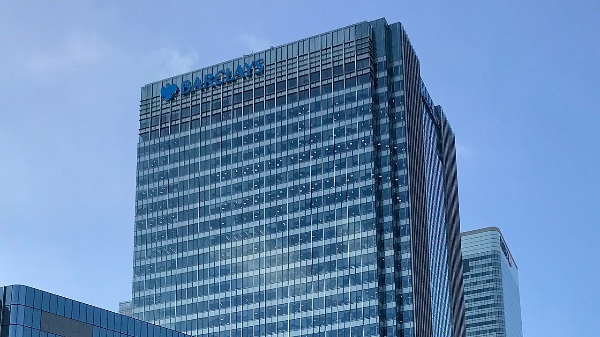
Barclays has recently secured a long term lease with the Canary Wharf Group (CWG), a property company, for its headquarters at 1 Churchill Place Tower. The move stems from a need for greater flexibility in terms of office space as well as a larger footprint in London’s financial center.
Why did Barclays purchase this office space in particular?
1 Churchill Place Tower has served as the bank’s global headquarters since 2005, ever since it's move from its former location in Lombard Street. Former CEO, Matthew Barrett, stated that the new location would increase efficiency by centralising all departments into one location.
In 2005, CWG leased the property to Barclays, which was set to expire in 2039. However at the end of June, the bank confirmed that it was able to extend its lease to a long-term (999-years) deal, valuing at £750 million. Barclays states that this lease will allow for greater flexibility in operating the space long-term whilst providing certainty over occupation costs.
Simultaneously, Barclays is handing back its office space at 10 Cabot Square to CWG, in a separate deal valued up to £263 million. According to the owners of CWG, Brookfield and the Qatari Investment Authority (the subsidiary), would amend its existing agreement with Barclays to account for this secondary deal.
Barclays expects that these deals will have a neutral impact on its Common Equity Tier 1 ratio and earnings, implying a neutral financial risk for the bank. This result is due to the fact that CWG is allowing Barclays to stay rent-free – a decision offset by incremental financing costs, implying interest payments.
Legal Involvement
As Barclays is engaging in simultaneous deals with CWG, looking to re-negotiate its office for both its Cabot Square and Churchill Place properties, one of the key concerns lies in establishing the terms of the transactions and establishing risk allocation. For this, contract lawyers would need to review the existing leases for both properties. In respect of Barclays' current headquarters, the lawyers on the deals will also need to consider relationship that Barclays would like to maintain with CWG. As a result, there will be a need to structure the news leases to reflect these changes.
Another consideration is the funding of the lease itself. Considering that the transcations are worth an estimated combined total of £980 million for the properties, Barclays would need to consider how it plans to finance the deals. From what we know about the structure of the deal, Barclays has hinted at utilising incremental costs, suggesting that the deal structure was partly debt-based. It is therefore likely that banking lawyers would be heavily involved in drafting facility agreements to determine the structure of the loan.
Future Outlook
Barclays’ leases could represent a trend in the rise of investor confidence in office spaces. Big companies like Revolut have recently invested in office spaces in Canary Wharf whereas JP Morgan have plans to build a new tower in the area. Overall, this signifies interest in commercial property for large corporations.