
Introduction
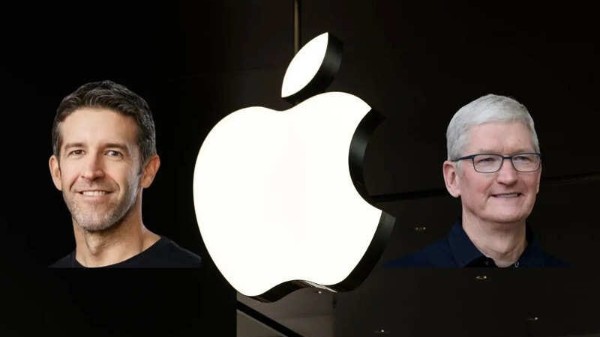
Apple is undergoing a major leadership transition, with Tim Cook stepping down as chief executive after 15 years. He will be replaced by John Ternus, Apple’s head of hardware engineering, from September. The move comes at a time when Apple is under pressure to show it can lead the next generation of technology, particularly in AI and new device categories.
Cook's legacy: scale, efficiency and steady growth
Tim Cook took over at Apple in 2011 following Steve Jobs’s resignation and passing. Since then, Apple has grown into a $4 trillion company, becoming one of the most valuable businesses in the world. His leadership is strongly associated with operational discipline, a strong global supply chain, and consistent financial performance.
While Apple expanded into services, wearables, and custom silicon during this period, its core revenue remains heavily reliant on the iPhone. Critics argue that despite its commercial success, Cook’s Apple has not delivered a breakthrough product on the scale of those of earlier eras.
Unlike Cook, who came from an operations background, Ternus is fundamentally a product and engineering leader. With 25 years at Apple, his appointment suggests a shift towards decision-making driven by hardware innovation and technical development rather than supply chain optimisation.
AI pressure and innovation concerns
Apple is operating in a rapidly changing industry where artificial intelligence is becoming central to product strategy. Competitors such as Google, Microsoft and Meta have invested heavily in AI, integrating it deeply into their ecosystems.
By contrast, Apple has taken a more cautious route, often relying on external partnerships to deliver AI functionality. This has raised concerns that Apple may be lagging behind in one of the most important technological shifts in decades.
Business Case
The leadership transition reflects Apple’s need to reposition itself for long-term growth. With the smartphone market maturing, the company is under pressure to develop new categories that can sustain its scale.
A hardware-focused CEO signals a possible shift towards more ambitious product development. This may include deeper integration of AI into Apple devices, expansion in wearables, exploration of augmented reality, and potential new form factors such as foldable devices.
Retaining Tim Cook as executive chairman ensures continuity in governance, investor relations and regulatory engagement during what may be a more experimental phase for the business.
Legal Team Involvement
Several legal functions will be central to this transition, ensuring compliance and mitigating risk. Competition lawyers will continue to manage regulatory scrutiny across key markets, particularly regarding Apple’s platform control, App Store policies, and digital ecosystem practices, and will support strategic leadership changes.
Intellectual property teams will be critical in protecting Apple’s innovation pipeline and defending patents for new hardware, chip technologies and AI-related systems, directly supporting business strategy during the leadership shift. Their focus ensures legal protection for advancements under new executive direction.
Employment and governance teams will manage the leadership transition and ensure organisational stability across global operations.
Future Outlook
Apple’s leadership change may mark a shift from operational refinement to product experimentation. Under John Ternus, the company is expected to focus more on hardware innovation and deeper AI integration.
Apple’s main challenge will be to overcome its historically cautious approach and deliver a new product category with iPhone-level impact. Successfully balancing its culture of control and precision with the need for faster innovation cycles will shape its growth over the next decade.